How to Write a Useful Letter to the Editor (With a Local News Example)
How to Write a Useful Letter to the Editor (With a Local News Example)
Letters to the editor are one of the last places in local public life where a resident can set the terms of an argument. A councillor reads them. So does the officer named in the story, the neighbor who disagrees with you, and the editor deciding what to run next week. That is a lot of attention for 200 words. Most letters waste it: they open with a feeling, bury the point, and end with a demand no one can act on. A useful letter does the opposite. It starts with the news, makes one clear case, offers evidence a stranger can check, and arrives on time.
Start with the news, not your feelings
Your first sentence should tell the editor which story you are answering. Name the decision, the meeting, the article, or the deadline. “I am writing to express my concern” is not a beginning; it is throat-clearing. Try: “The council’s decision to close the pedestrian crossing outside the primary school deserves a second look.” Now the editor knows the subject and the stakes. If your letter responds to a specific article, say so: “Your report on Tuesday about the proposed library cuts raised a question the consultation has not answered.” That signals timeliness, which matters more than elegance.
Local papers work on short cycles. A letter that arrives three weeks after a vote is usually history. If the issue is still live—a consultation, a planning application, a budget meeting—send it while readers can still act. If the decision is done, say what should happen next rather than re-fighting the last meeting. The best letters are not diary entries. They are part of a conversation the town is already having.
This does not mean you cannot be angry. It means the anger should arrive after the reader knows what happened. A letter that begins “I was appalled to read…” makes the reader wait for the subject. A letter that begins “Your report on the library closure missed the fact that the consultation closed before most parents knew it had opened” gives the reader a subject, a problem, and a reason to keep going.
Make one argument, not five
Most letters try to solve the whole town in one go: potholes, parking, bins, the carnival, and the state of the high street. The result is a letter with no center. Pick the point you can support in two or three sentences. If you have several concerns, write one letter about the most urgent and save the rest for another week—or another paper.
The one-sentence test
Before you write, finish this sentence: “The one thing I want readers to understand is ______.” If you cannot fill the blank without a list, your letter is not ready. A useful claim is specific and arguable. “The new one-way system will make the school run less safe” is a claim. “The council never listens” is a mood. You can support the first with evidence; the second invites a shrug.
Then decide what you want to happen. A letter does not have to solve the problem, but it should point somewhere: pause the plan, publish the data, extend the consultation, restore the crossing, explain the decision. A clear ask gives the editor a reason to run the letter and gives readers something to do.
A useful letter also knows who needs to hear it. Sometimes the audience is the councillor who will vote on Thursday. Sometimes it is the officer who wrote the consultation summary. Sometimes it is the neighbor who has heard only one version of the story. Write for that person, not for an imaginary crowd. A letter aimed at everyone usually lands on no one.
Use evidence a local editor can check
You do not need a research team. You need one or two facts that a reader can verify without trusting you. The strongest local evidence is often public: the council’s own consultation summary, meeting minutes, a planning notice, a budget document, or a dated photograph. Personal experience counts too, but keep it brief and concrete. “I walk that route with my daughter every morning” is more persuasive than “parents are furious,” because it gives the reader a scene and a stake. Add one public document and one lived detail, and you have enough.
Be careful with numbers. If you cite a figure, name the source and the date: “the council’s February consultation summary,” not “statistics show.” If you cannot verify a number, do not use it. A single checkable fact is stronger than five vague ones. The same goes for quotes. Quote officials accurately, and do not invent a motive you cannot prove. You can say a decision is wrong without saying the people who made it are dishonest.
Show the reader what it looks like on the ground
Abstract arguments about “road safety” are easy to ignore. A specific scene is harder. Describe the morning in two sentences: where people stand, what they have to cross, what the alternative looks like. Do not write a novel. Write a witness statement.
If the issue is a proposed crossing closure, do not stop at “children will be at risk.” Say what the route actually involves: “At 8:40 on a weekday, children cross between parked cars near the bakery because the nearest official crossing is 400 metres away.” That is a picture an editor can print and a reader can test on their own walk to work.
A local news example
Here is a compact letter that responds to a local story, makes one case, uses checkable evidence, and asks for a specific next step.
Re: “Council proposes closing school crossing to save £18,000,” Tuesday edition
Your report on the proposed closure of the pedestrian crossing outside St Mary’s Primary left out the question parents are asking: which route will children use instead? The council’s own consultation summary says 62% of pupils walk to school. The nearest alternative crossing is 400 metres away, along a road with no pavement on one side. I walked that route with my daughter on Monday; at 8:40 a.m. we counted 27 children crossing between parked cars near the bakery.
If the council needs to save money, it should publish the traffic survey behind this decision and extend the consultation by two weeks so parents can respond. Closing the crossing may balance a budget line, but it does not remove the journey. It just moves the risk.
— Name, street, town
Why it works: it names the article, makes one claim, uses the council’s own figure, adds a dated observation, and ends with a request the council can actually grant. It does not call anyone a liar. It does not list every problem in town. It gives the editor a clean, timely argument.
Keep the tone local, not theatrical
Sarcasm and accusations can feel satisfying, but they usually weaken the case. A letter that calls the council corrupt because of a parking decision may feel good for an hour, but it gives the other side an easy reason to dismiss you. Write as if you expect to meet the reader at the shop. Firm is fine. Contempt is not. If you are angry, use one concrete sentence of anger, then return to the argument. “I am angry about this” is less useful than “This decision makes the school run harder for families who cannot drive.”
Also follow the paper’s rules: word limit, name and address, daytime phone, no open letters to third parties, and no attachments unless asked. Editors are not being petty. They are trying to verify you and fit you on the page. Check the deadline before you write, and send by email with “Letter to the editor: [subject]” in the subject line. Put the letter in the body of the email, not only in an attachment.
A five-minute checklist before you send
- Is the news hook in the first sentence? Name the article, meeting, or decision.
- Can I say my point in one sentence? If not, cut until you can.
- Is there one fact a stranger can check? Name the document, date, or observation.
- Have I asked for something specific? Pause, publish, explain, extend, restore.
- Would I be comfortable reading this aloud to the person named? If not, soften the tone, not the argument.
- Does it fit the paper’s word limit? Aim under the limit, not at it.
- Is my name, address, and phone number included? Papers usually need them, even if only the name and town print.
Why this matters beyond the page
A useful letter does more than fill space. It puts a checkable claim into the public record. It gives a councillor a reason to answer, a reporter a lead, and a neighbor a way to see the issue from another side. It can also change the next conversation: when the council knows residents are reading the consultation summary, officers write better summaries. When editors know letters will be specific and timely, they run more of them.
You do not need to be a professional writer. You need to be a reliable witness with a clear ask. Start with the news, make one case, bring evidence, say what should happen next, and send it before the decision is final. That is how a 200-word letter earns more attention than a petition with a thousand signatures.
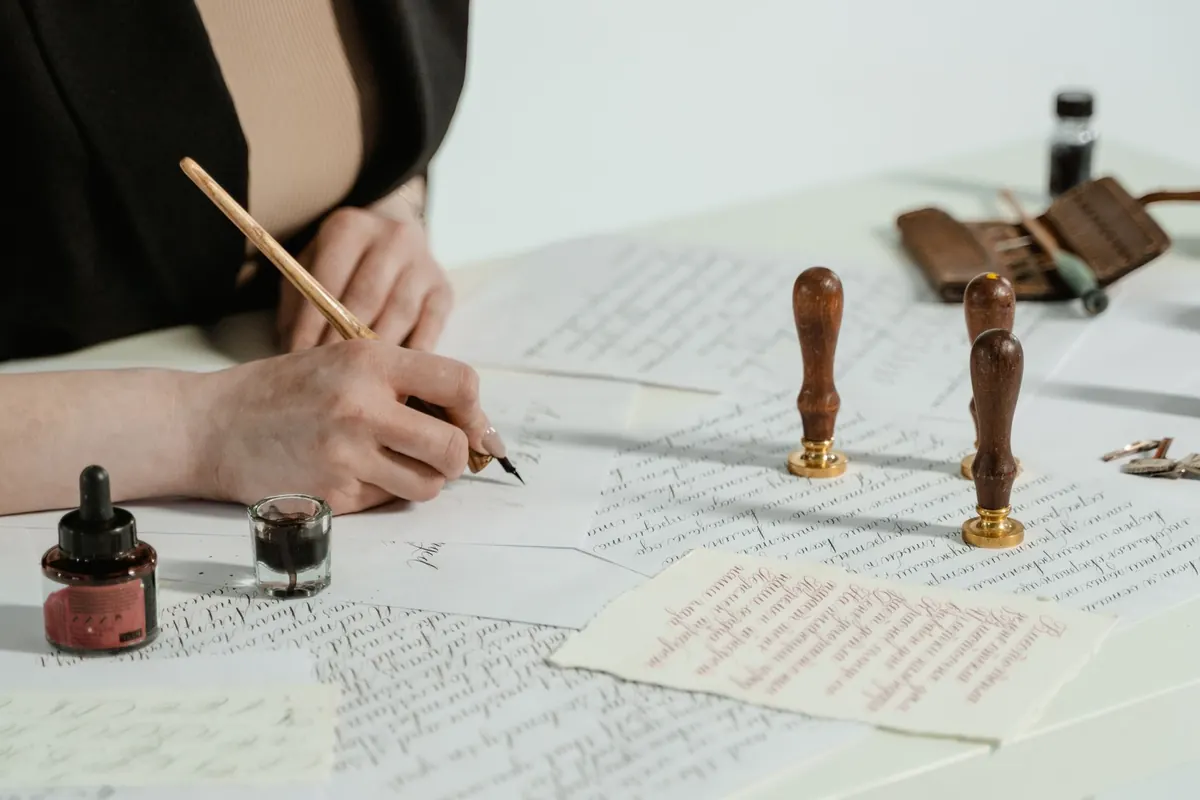
Photo: MART PRODUCTION / Pexels

Fact-Checking Local Rumors: A Step-by-Step Guide for Neighbors
Most neighborhood rumors are half-truths passed through too many hands. A practical guide to checking them...

Museum and Gallery Nights: A First-Timer’s Guide to Late Openings
A practical first-timer's guide to evening museum and gallery openings, from choosing the right kind of...
About Us